
First Bootcamp Graduation
Learning and experience of running two bootcamps We introduced our bootcamp program last year and I am happy to announce that 2 of the cohorts have graduated recently. It took more than 3 months (which was earlier planned) but all good things take time :). It had been an eventful journey for the entire team and there […]
Containerd and ctr
To learn how to work with container images and containers using containerd In container runtime and runC hands-on lab, we have looked at the evolution of containers and their use cases with runC implementation. But with the help of runC, we can only create one container. If we have to manage multiple such runC containers we have […]
MERN Stack Deployment on Docker
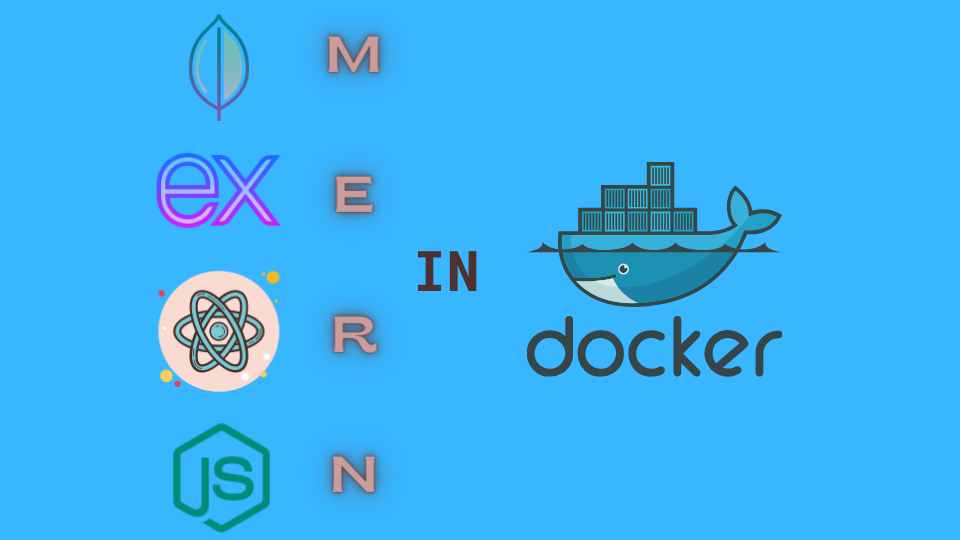
To understand about deploying MERN stack using docker MERN is a short form for MongoDB, Express, ReactJS and NodeJS. It represents a full-stack application. Each component in this stack has its usage given below, MongoDB: A NoSQL document DB that stores data in the form of JSON. As most of the application uses JSON form of the […]
Kubernetes + Cloud Joint Meetup – Nov’22
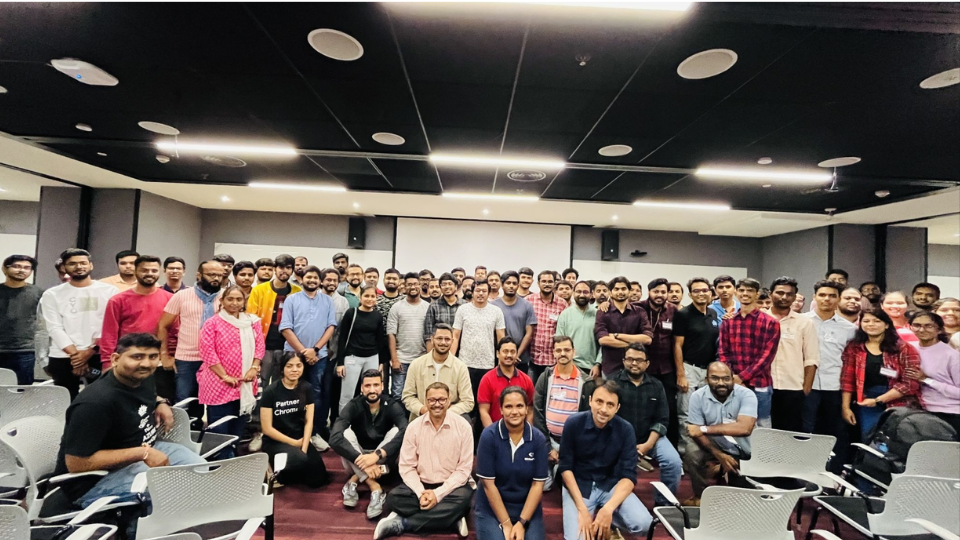
Event report of the Nov’22 joint meetup along with presentations & recording If you do a poll or ask anyone about what is the best way to learn and meet like minded people; everyone would answer that the physical in-person meetings are best. In the Bengaluru tech community we have been missing that for a […]
Kubernetes native network policies from zero to hero!
Kubernetes native network security policies by example. The Kubernetes network model is a “flat” network design. This means that all pods on one node can communicate freely with all pods on all the other nodes without being address translated, or blocked. The networking is implemented by a CNI (Container Networking Interface). Examples of popular CNI’s are Cilium, Calico, […]
Introduction to Confidential Containers
Get familiar with Kata containers based Confidential Containers stack Confidential Containers (CoCo) is a CNCF sandbox project which aims to integrate existing Confidential Computing (CC) infrastructure support and technologies with the cloud-native world. The following references are a good read: In this lab, we’ll be deploying the Kata containers based CoCo stack as shown in the […]
How does Kubernetes assign QoS class to pods through OOM score?
To know about the concept of Linux’s OOMKilled and how it helps Kubernetes to define a Quality of Service (QoS) class for its pods. Most Kubernetes users would have encountered OOMKilled at least once. When OOMKilled occurs, we tend to recalibrate the pod’s QoS or move the pod to a different node thinking there is a memory issue with […]
Kubernetes Tip: How To Gracefully Handle Pod Shutdown?
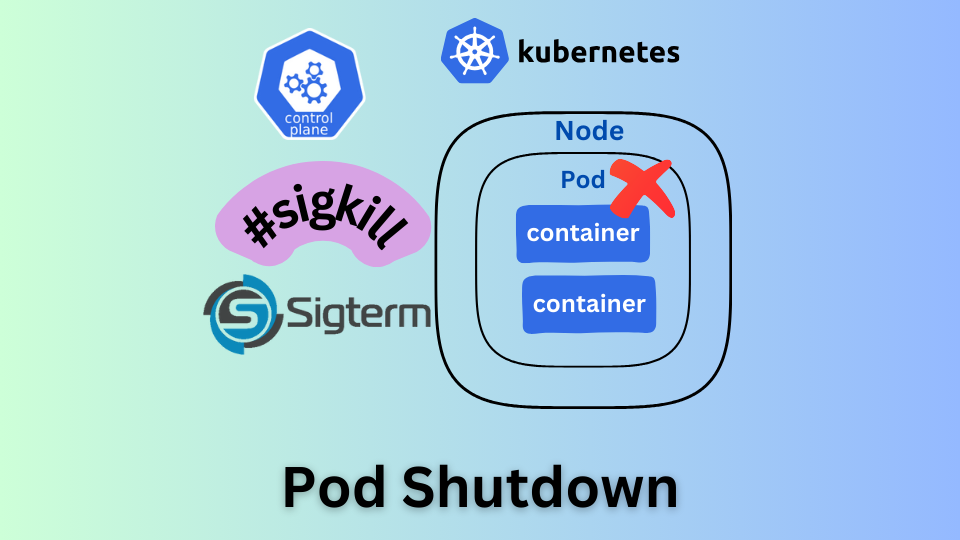
To know about graceful termination of pods and difference between SIG-TERM and SIG-KILL for container deletion. Shutting down an application Pod is as important as starting it up. We need to release all of the resources used by the application and process in-progress requests etc. Proper shutting of applications helps in reducing chances of request failure.There […]
Learn Kubernetes operator by a real world example!
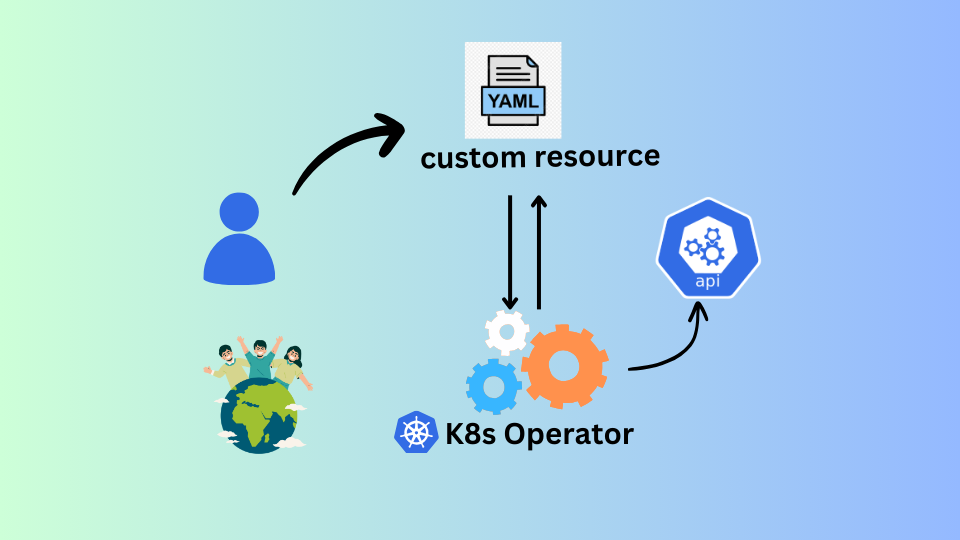
Full Hands-on experience learning Kubernetes Operators + explanations | Simple & intuitive explanations to grasp key concepts | Real world example to get you going right away! What is a Kubernetes Operator? A Kubernetes Operator is an abstraction for deploying non-trivial applications on top of Kubernetes, behind Kubernetes APIs. The Kubernetes Operator attempts to wraps the logic for deploying […]
Progressive Delivery With Argo Rollouts : Canary with Analysis (Part 3)
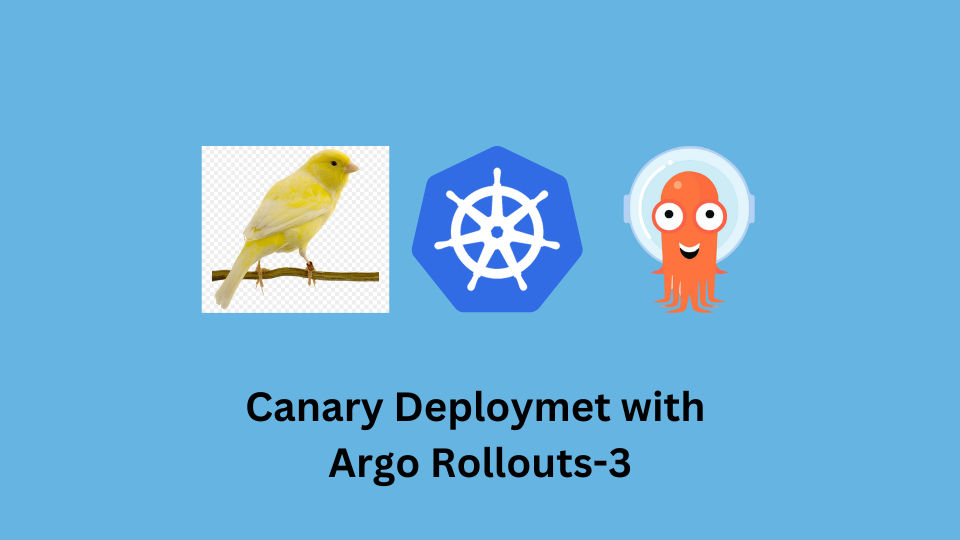
Canary Deployment with Analysis using Argo Rollouts Hope you have gone through and enjoyed the first two parts of our progressive delivery with the Argo Rollout series, where we have seen how one can implement the blue-green and canary deployment strategy by deploying a sample application using the Argo Rollout controller in a Kubernetes cluster. In Part 3 of this series, we […]
